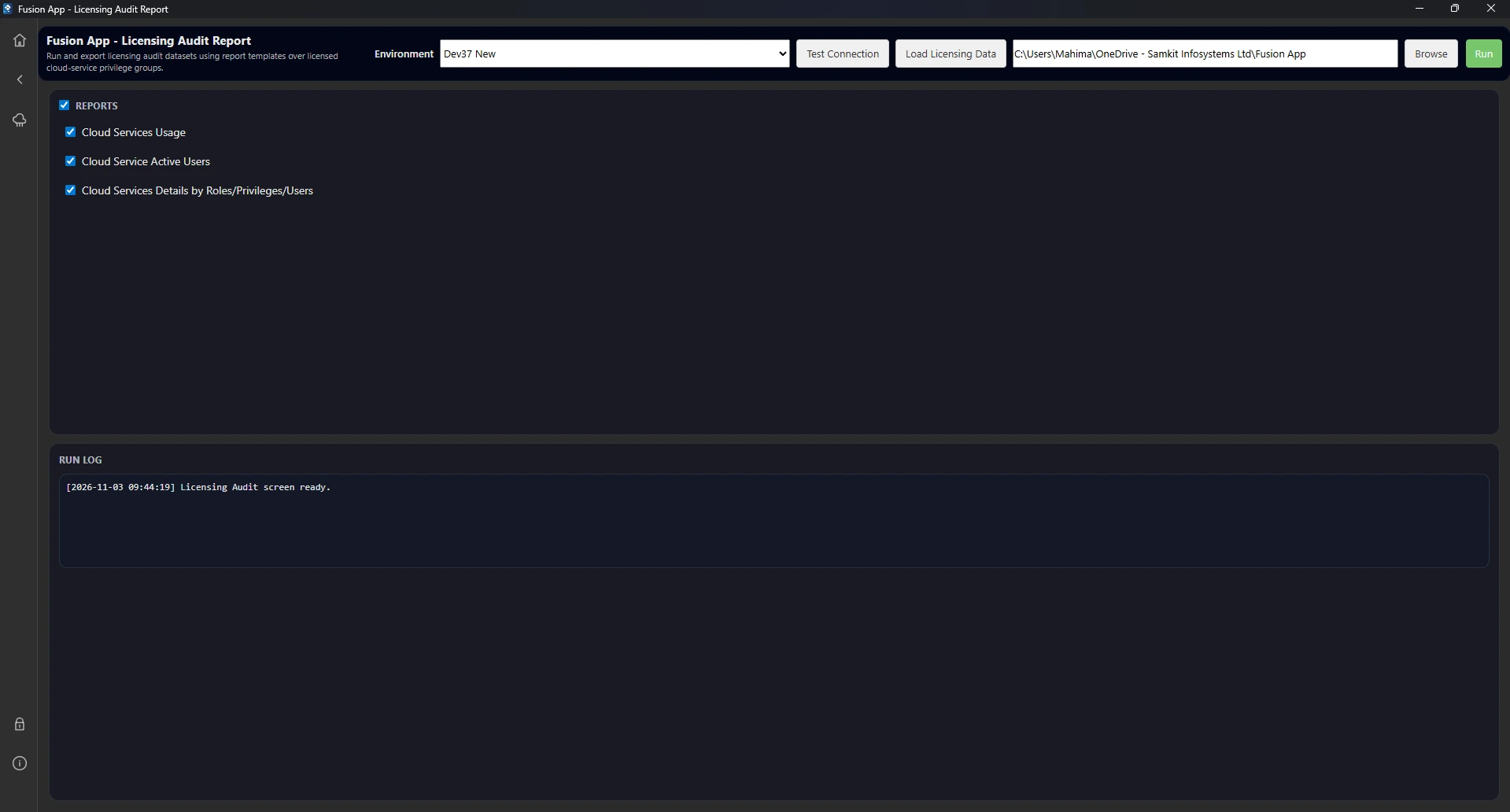
For many organisations, Oracle ERP Cloud is a critical platform for managing finance, procurement, projects, and other core business functions. While most attention is given to implementation and process improvement, licensing costs can quietly grow over time and become a significant expense.
The good news is that reducing licensing costs doesn't have to mean limiting functionality or restricting users. Organisations that regularly review their licensing strategy often find opportunities to lower costs while continuing to support business goals.
- Review How Licenses Are Being Used
- Give Users the Access They Actually Need
- Reassess Underutilized Modulesli>
Business requirements evolve over time. Modules that were once important may no longer be heavily used. Periodically reviewing Oracle ERP Cloud modules and add-ons can help identify areas where costs can be reduced without affecting operations.
- Evaluate Your Licensing Model
- Improve Governance and Access Control
- Approach Renewals Strategically
- Focus on Business Value
One of the simplest ways to identify savings is to review existing license usage. Inactive accounts, former employees, temporary users, and unused subscriptions can all contribute to unnecessary spending. Regular assessments help ensure that licenses are being used where they provide value.
Not every user requires the same level of access. In many organisations, employees are assigned broader permissions than necessary, which can result in higher licensing costs. Matching users to the appropriate license level helps control costs while maintaining productivity.
Oracle offers different licensing approaches depending on the product and business requirements. Before renewal periods, it's worth reviewing whether the current licensing model still aligns with the organization's size, workforce, and usage patterns.
Strong governance plays an important role in license optimization. Automated user provisioning, timely deprovisioning, regular access reviews, and segregation-of-duties monitoring help ensure licenses are allocated appropriately and remain compliant with company policies.
Renewal discussions should be viewed as an opportunity to optimize costs, not just extend existing agreements. Organisations that prepare early and understand their actual usage are often in a stronger position to negotiate favorable terms, pricing protections, and greater flexibility.
The objective should not simply be to reduce licensing costs. The real goal is to ensure that every license contributes to business outcomes such as improved efficiency, stronger compliance, better reporting, or greater automation. When licensing decisions are tied to measurable value, investments tend to deliver better returns.
Reducing Oracle ERP Cloud licensing costs is not about cutting corners. It's about making informed decisions based on actual usage, business requirements, and long-term objectives. Organisations that regularly review their licensing strategy are often able to lower costs while strengthening governance, compliance, and operational efficiency.